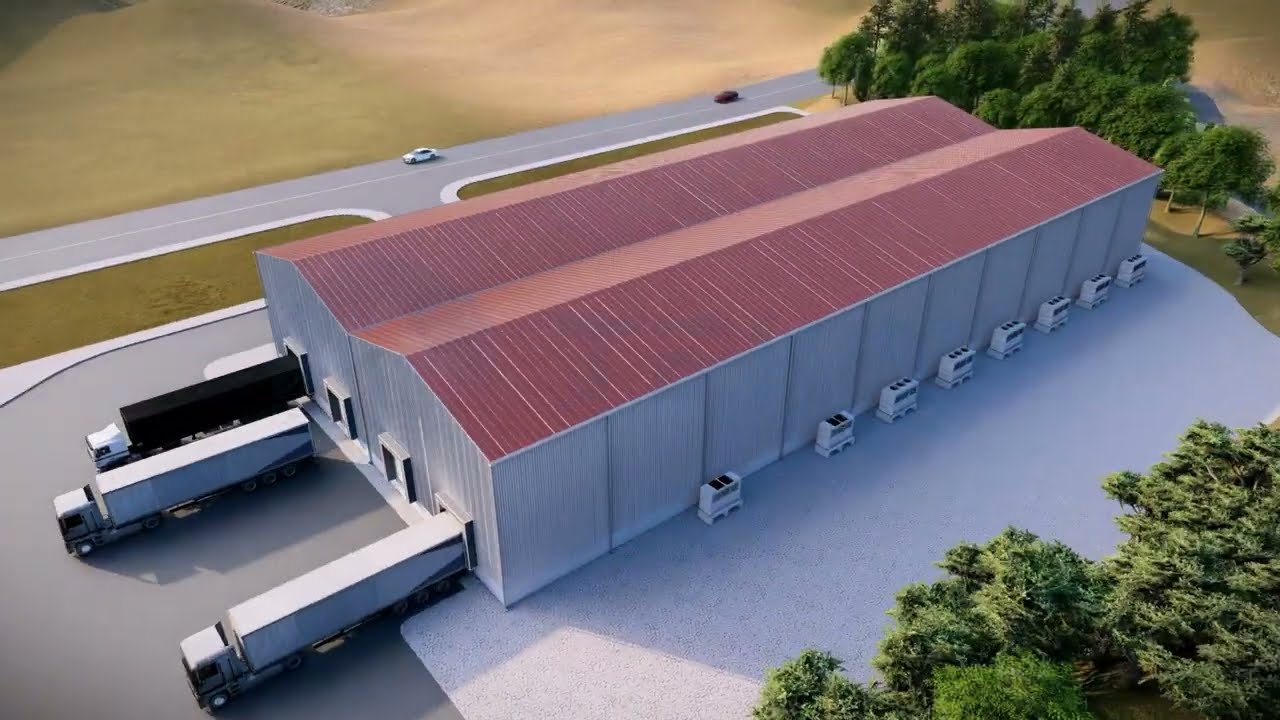
A cold storage in the Newark area has roof needs that a generic “commercial roof” checklist misses. Commercial Roofers of New Jersey scopes the work around how this kind of building actually operates. What follows is a straight read on the work and the calls that go into it.
Every cold storage carries roof constraints a standard estimate glosses over: how a crew gets up there, what mechanical equipment is already on the roof, how it drains, the occupancy below, and the hours or seasons when work is even possible. We pin those down first.
Around the Gateway Center and Broad Street corridor, parking, sidewalk protection, and crane or hoist positioning get decided before the roof scope is even priced. The logistics are part of the scope, not an afterthought.
On a cold storage, the roof’s condition and the business pressure are two different things, and we keep them apart before recommending repair, recover, or replacement.
The answer factors in the service life the owner needs, the downtime the operation can absorb, and the money available, and we put the tradeoffs in plain terms so the decision stays the owner’s to make.
The freeze line moves in and out all winter here. A detail can be wet and flexible one afternoon and frozen solid that night, and that constant cycling at parapets, scuppers, and field seams is harder on a roof than any single cold snap. We judge details by how they handle that movement.
Salt air off Newark Bay and the Arthur Kill is hard on metal. Fasteners, edge metal, gutters, and coping take corrosion faster here than they would inland, so we flag exposed and unprotected metal as part of the condition write-up.
Commercial roofs in this area fail through repeated stress, not a single event, so we plan the work around the whole cycle — heat, cold, wind, water, and salt — instead of just the worst storm on the calendar.
There is no pitch up front — there is a roof walk. We look at the actual assembly and talk through the decision you are facing, whether that ends up being cold storage roofing or something else the roof needs, and you leave with a documented recommendation rather than a sales call.
Almost every property we touch in Newark and North Jersey keeps running while the roof work happens, so the plan is geared to your operations — access, staging, interior protection, sequencing — with regular updates as it moves. The aim is a durable roof decision and a building that never has to go dark to get there.
Before we price anything, we put the roof condition and the recommendation in writing. We keep the scope tied to what the building actually needs and put the access notes, staging limits, and sequencing in writing so the roof work does not turn into an operations surprise mid-job.
Written findings are what let an owner approve work with confidence. For cold storage roofing we document the assembly, the conditions, the access constraints, and the recommended option with photographs, so the decision can be defended to ownership, a lender, or an insurer without relying on anyone’s memory of a site visit.