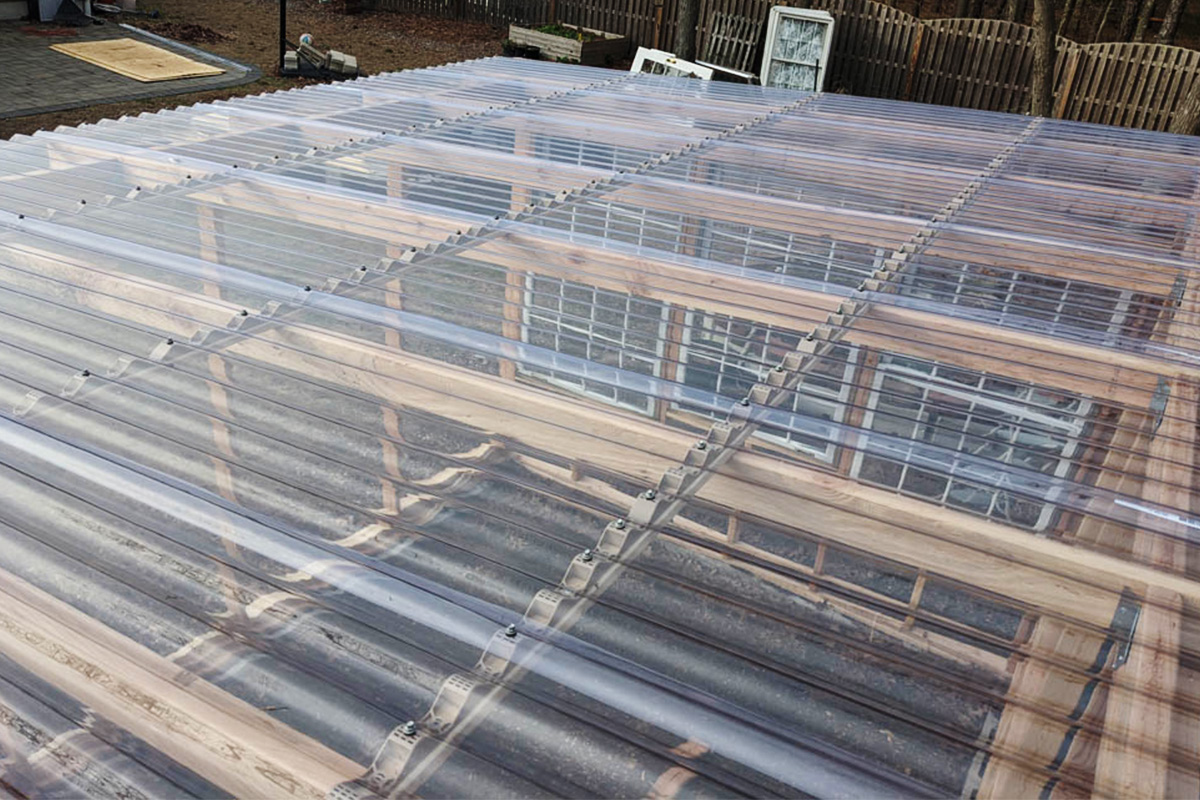
Commercial Roofers of New Jersey works with owners and facility teams in food processing and cold storage across Newark and North Jersey. Roof planning changes when the building houses this kind of operation, because the access, the uptime requirements, and the consequences of a leak are all different. Here is how we approach it and what the decision usually comes down to.
Operations in food processing and cold storage around Newark cannot just pause for a roof, and that drives every decision — the hours work can happen, how the interior is protected, how rooftop mechanical and process equipment is dealt with, and how quickly a leak has to be answered.
We plan roof work around those uptime and access realities first. Access is half the job in the Ironbound and around Port Newark. Loading docks, truck circulation, tight setbacks, and tenant entrances all decide where a crew can stage, hoist, and tear off without shutting the business down.
For food processing and cold storage, the right call is rarely “one roof system for everything.” Different buildings in a portfolio carry different membrane ages, drainage situations, equipment loads, and budget timing, and Commercial Roofers of New Jersey keeps the recommendation tied to each building instead of forcing a onto the whole site.
The freeze line moves in and out all winter here. A detail can be wet and flexible one afternoon and frozen solid that night, and that constant cycling at parapets, scuppers, and field seams is harder on a roof than any single cold snap. We judge details by how they handle that movement.
Salt air off Newark Bay and the Arthur Kill is hard on metal. Fasteners, edge metal, gutters, and coping take corrosion faster here than they would inland, so we flag exposed and unprotected metal as part of the condition write-up.
We factor all of it into the recommendation, because a North Jersey roof that is only planned for fair weather is a roof that gets re-planned the hard way after the next freeze, storm, or ponding season.
The work begins on the roof, not in a brochure. We walk the assembly, talk through the call in front of you — food processing and cold storage roofing or whatever the roof turns out to need — and turn it into a written recommendation you can actually use.
Because most Newark and North Jersey buildings we work on stay open during the job, we schedule and stage around how the property actually operates and keep you informed at each step. What you are left with is a roof decision that lasts and an operation that kept moving the whole time.
Nothing gets priced until the roof condition and the recommendation are on paper. We keep the scope tied to what the building actually needs and put the access notes, staging limits, and sequencing in writing so the roof work does not turn into an operations surprise mid-job.
That documentation is what separates a real plan from a verbal estimate. For food processing and cold storage roofing on a Newark-area building, the write-up names the assembly we found, the details we inspected, the access and staging limits, and the option we are recommending — with photos to back it up. An owner can take that to a board, a lender, or an insurer and get a decision without having to take anyone’s word for it.